
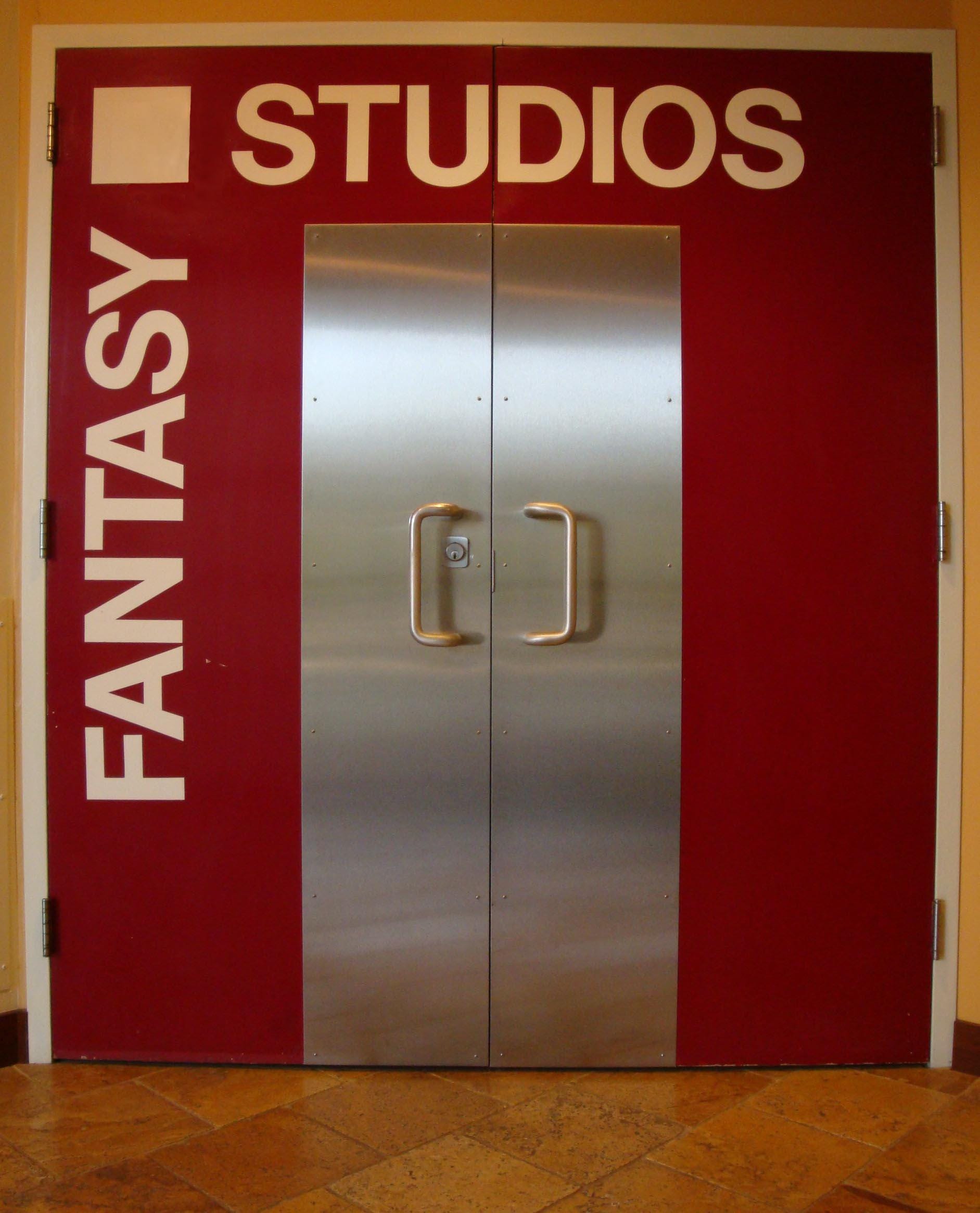
Fantasy Studios in Berkeley served as a cornerstone for the Grateful Dead family’s recording and post-production work, particularly during the 1970s. While the full band often tracked their primary studio albums at locations like Wally Heider’s or their own Club Front, Fantasy became the primary workshop for Jerry Garcia’s prolific side projects and the mastering of the band's official releases. Grateful Dead Family Discography +2Jerry Garcia’s Primary WorkGarcia's involvement at Fantasy was most concentrated through his collaboration with keyboardist Merl Saunders. Because Saunders was signed to Fantasy Records, the studio became their home base.
- Solo Albums: Garcia recorded significant portions of his second solo album, Compliments (1974), at the Berkeley facility.
- Saunders-Garcia Sessions: He tracked and mixed seminal sessions for albums like Heavy Turbulence (1972) and Fire Up (1973).
- Live at Keystone: Though recorded live at the Keystone Berkeley club, the legendary Live at Keystone (1973) double album was mixed and produced at Fantasy Studios by Garcia and John Kahn.
Technical Legacy and MasteringBeyond tracking, the Grateful Dead relied on Fantasy’s technical expertise for their sonic "polish":
- Mastering Excellence: Renowned engineer George Horn at Fantasy Studios was the band's go-to for mastering and remixing many of their 1970s and 80s releases, ensuring they met the band's high audiophile standards.
- Archival Releases: In later years, Fantasy's facilities were used to remaster historic live recordings for the Pure Jerry and Keystone Companions box sets, keeping the studio central to the band's legacy long after the original sessions. Grateful Dead Family Discography +2
The studio's closure in 2018 marked the end of an era for the Berkeley music scene that once vibrated with the experimental energy of Garcia and his many collaborators.